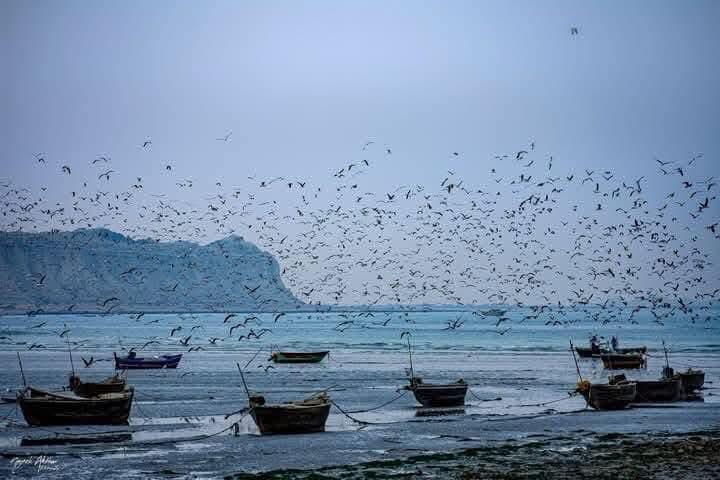
Dedicated to safeguarding maritime heritage, empowering local fisherfolk, and building a sustainable coastal future in Baloch Ward, Gwadar.
The Sangaar Fishermen Cooperative Society (SFCS) was officially established in 2003 and registered under the Cooperative Societies Act, 1925. Headquartered in Baloch Ward, Gwadar, our society acts as the primary collective voice and anchor for local fishermen communities.
With over 340 active members, we strive to protect traditional livelihoods, secure sustainable fishing rights, enhance community welfare, and introduce modern aquaculture innovations to safeguard future generations against environmental and economic challenges.
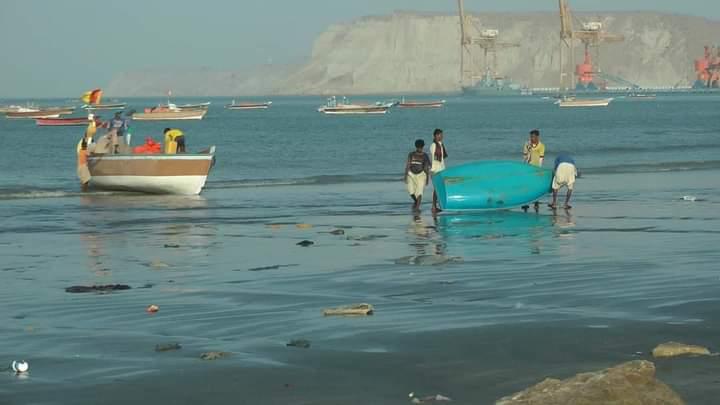
The core framework guiding our mission, community development, and sustainable marine resource management.
Protecting daily incomes, fair market access, and equitable pricing for local catches against exploitation.
Combating illegal trawling and promoting sustainable fishing practices to preserve Gwadar's marine ecosystem.
Providing educational support, healthcare access, and emergency relief funds for fisherman families.
Equipping members with modern navigational safety gear, technical training, and advanced fishing techniques.
Introducing modern fish farming and hatcheries to diversify revenue and ensure long-term food security.
Representing fisherfolk grievances at governmental levels to shape fair coastal development policies.
From our founding in 2003 to becoming a vital pillar of Gwadar's coastal community, SFCS has consistently stood by local fishermen.
2003
Registered under the Cooperative Societies Act, 1925, in Baloch Ward, Gwadar.
Community
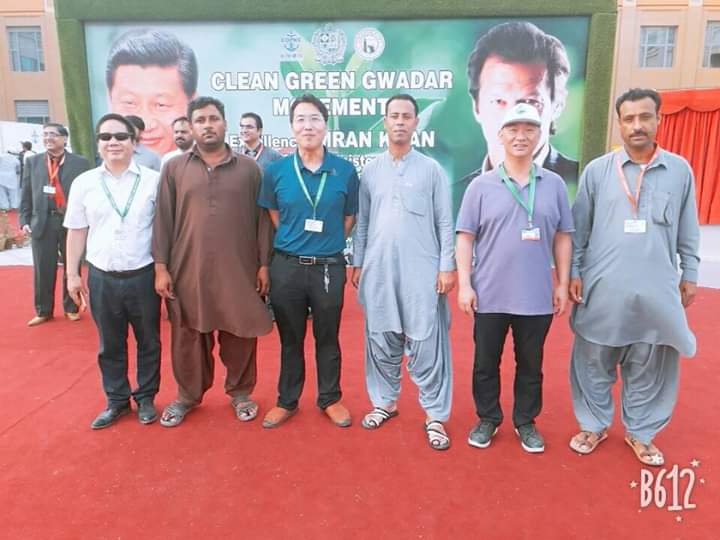
SFCS members took part in the city-wide clean-up and greening drive.
National Policy
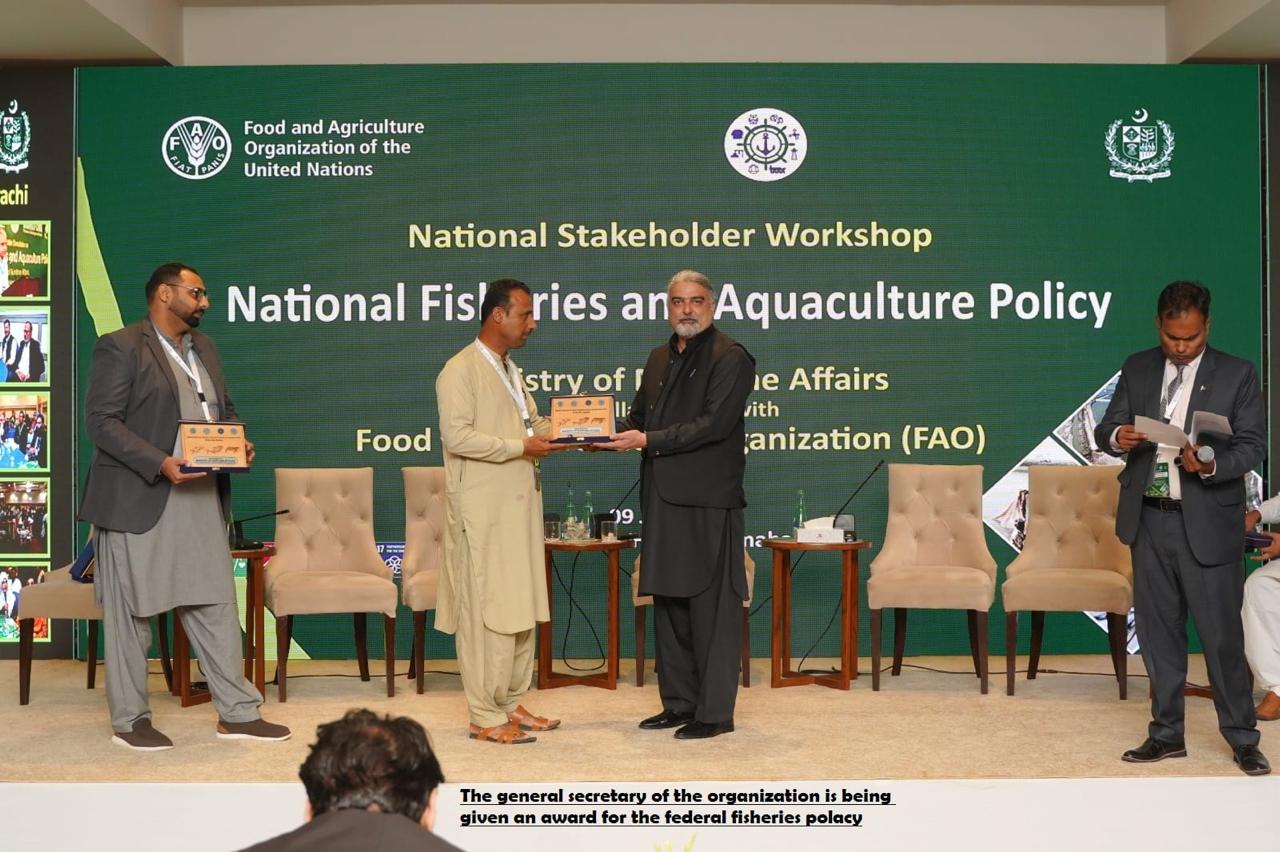
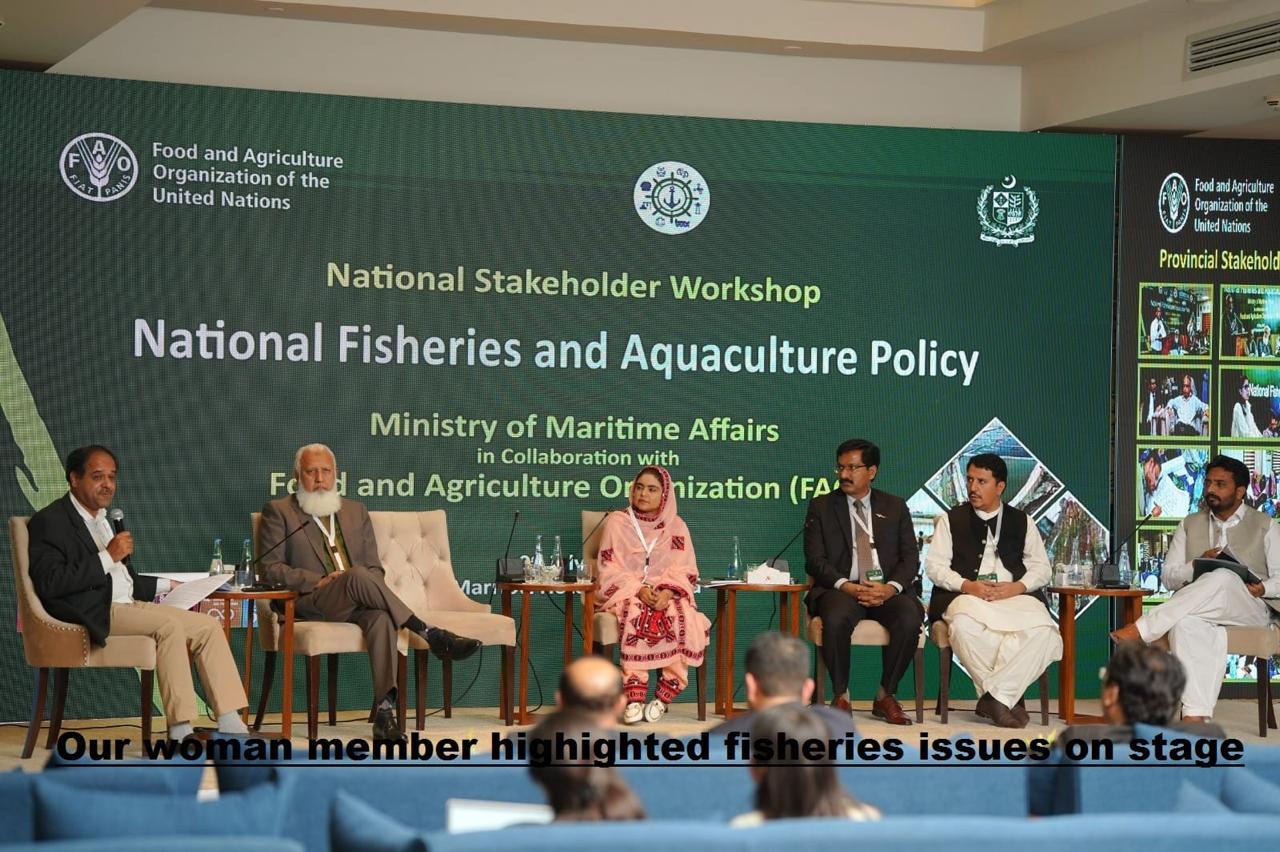
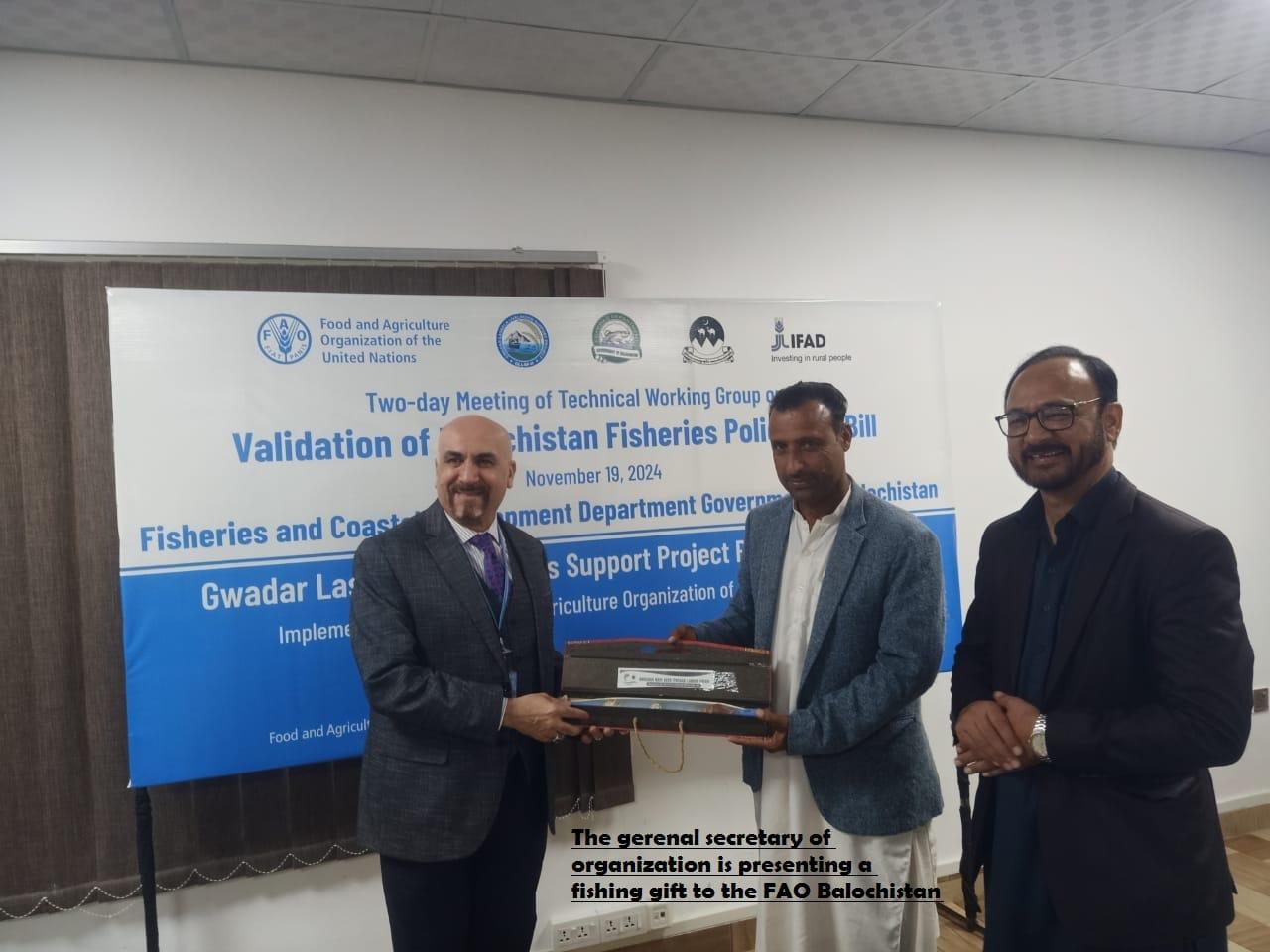
Our General Secretary was honoured and our woman member raised fisherfolk issues on the panel at the Ministry of Maritime Affairs & FAO workshop.
19 November 2024
SFCS took part in the Technical Working Group meeting with FAO and the Fisheries & Coastal Development Department, Balochistan.
Public-Private-Producers Partnership framework supported by the Gwadar Lasbela Livelihood Support Project (GLLSP-II), Government of Balochistan, and IFAD.
Collaborative model uniting public technical/financial backing (GLLSP-II), private bulk buying and cool chain logistics, and producer organization (SFCS).
Project investment demonstrates an IRR of 34.8% and a payback period of ~2.56 years, guaranteeing sustainable economic returns and crew revenue increases exceeding 40%.
Targeting a 15% reduction in post-harvest losses and a 15% price premium through direct cool chain integration.
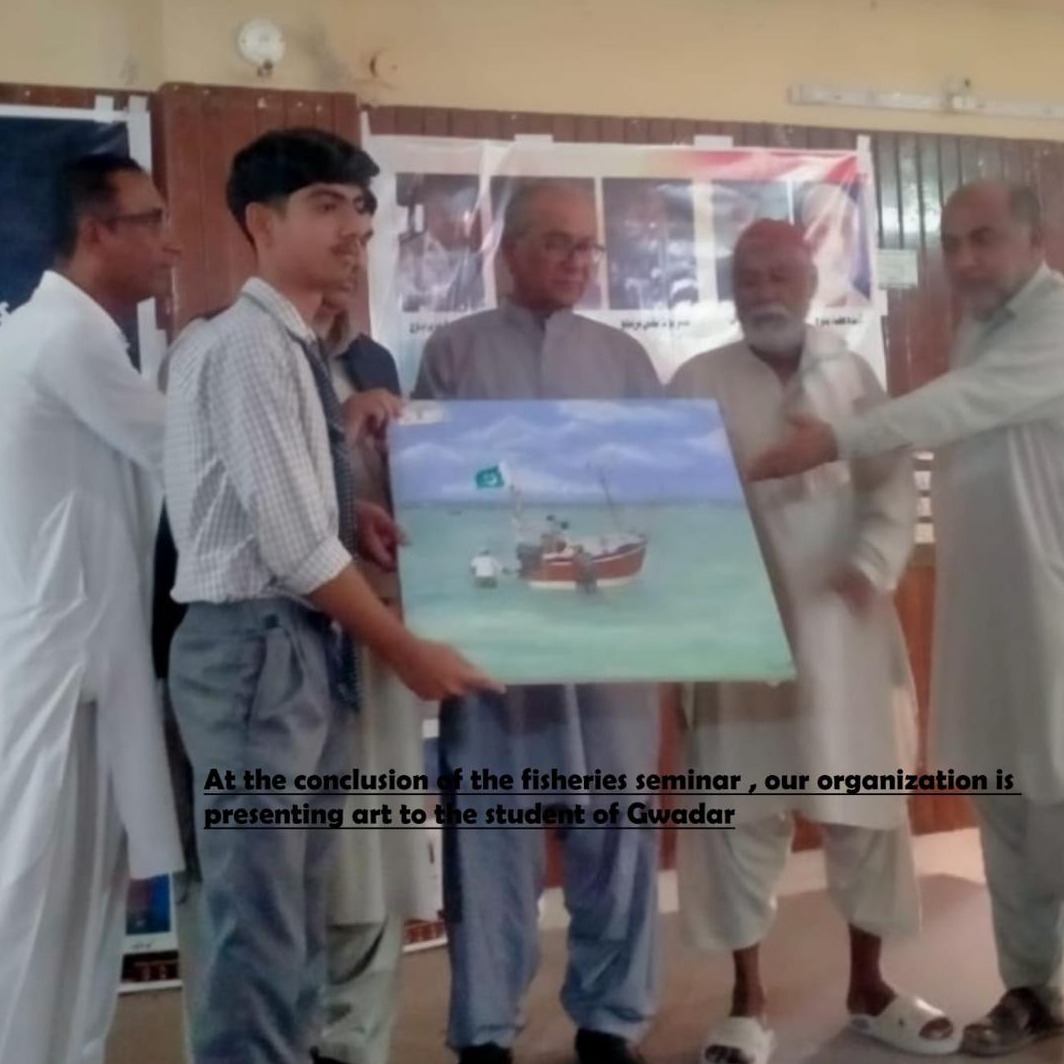
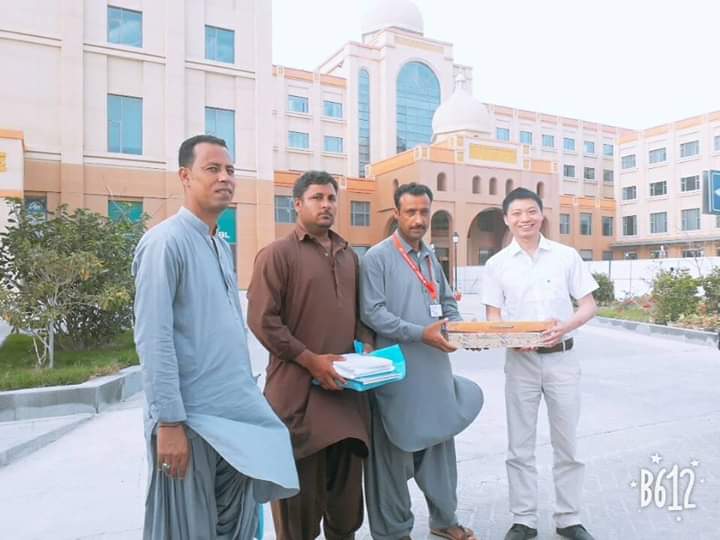
Capturing the essence of our members' daily lives, harbor activities, and community solidarity in Gwadar.
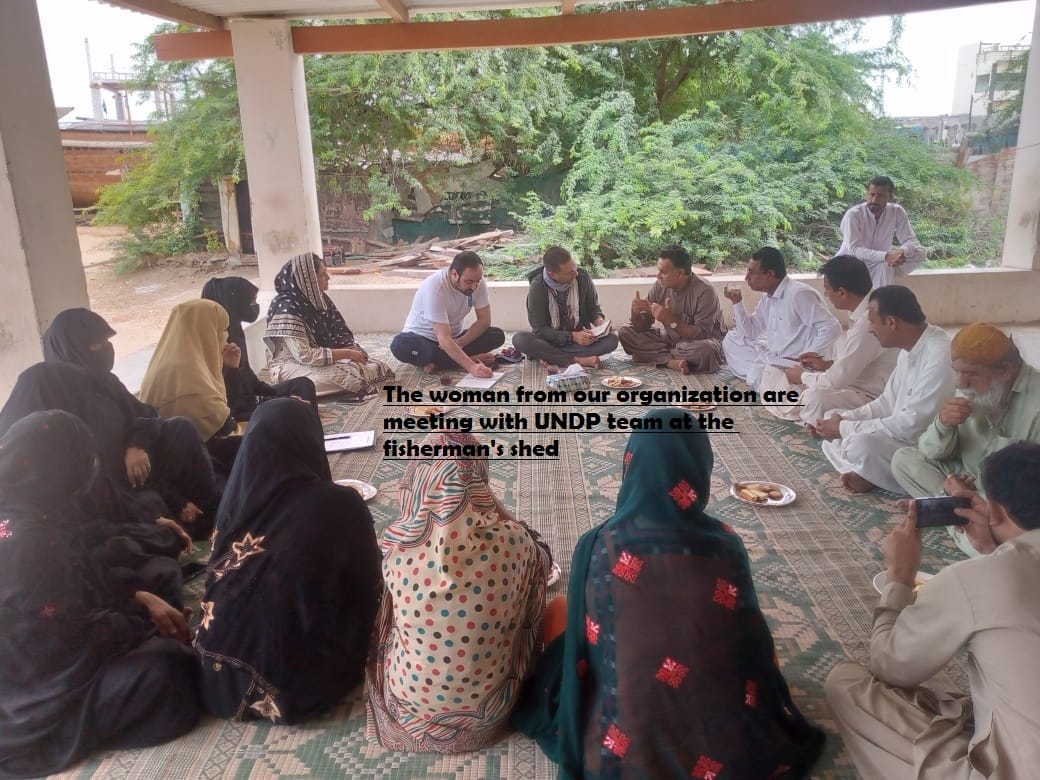
Women members from our organization holding an important collaborative meeting with the UNDP team at the local fisherman's shed. This initiative drives skill development, enterprise building, and active community participation in coastal livelihoods.
.jpeg)
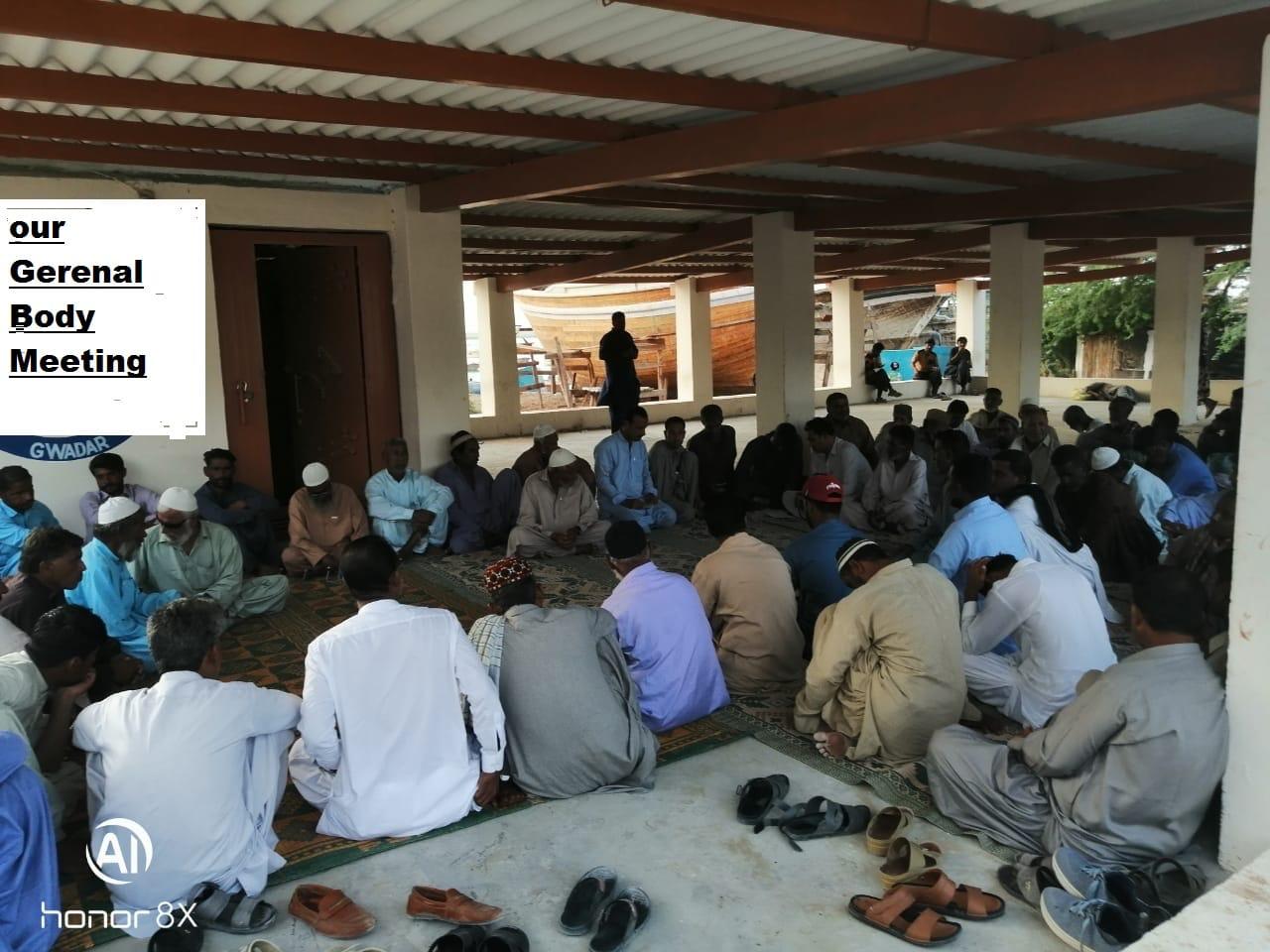
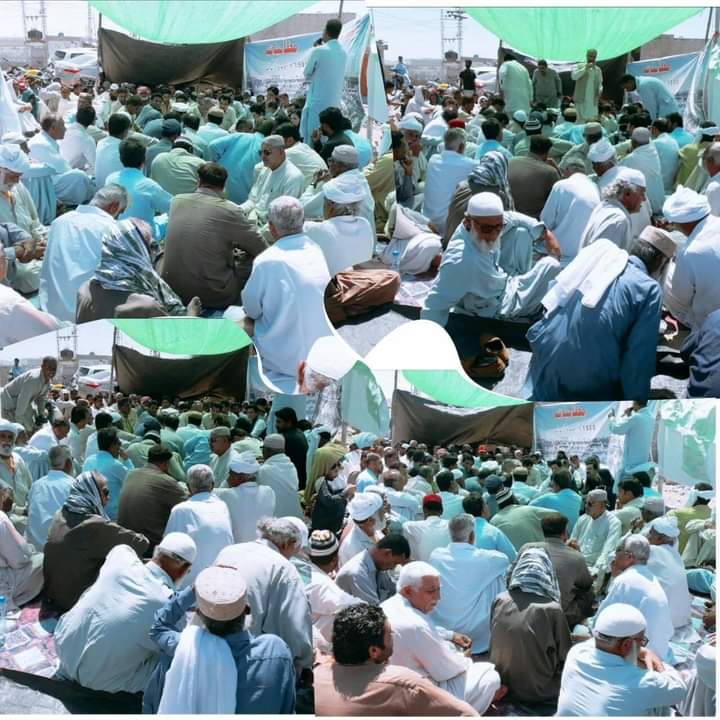
Active fisherfolk assemblies discussing local coastal management and maritime rights directly at the landing site.
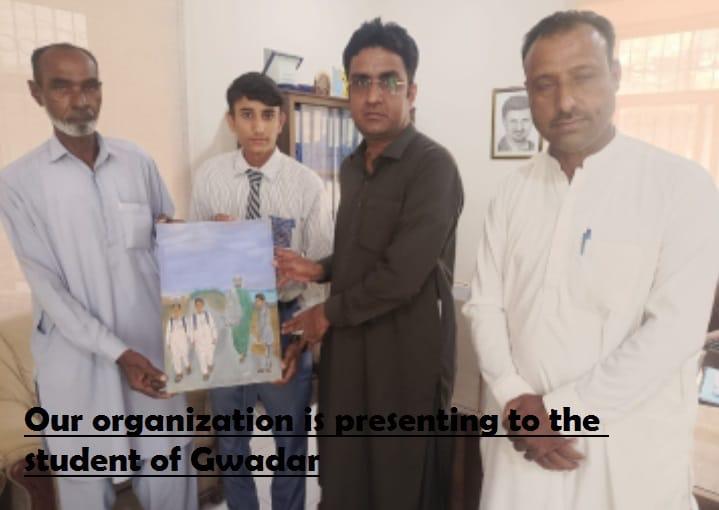
Safeguarding Gwadar’s rich marine ecosystems through responsible fisheries management, community-driven hatcheries, and eco-friendly aquaculture practices that protect tomorrow's catch today.
Protecting critical breeding grounds and mangroves along the Balochistan coast to ensure natural fish stock replenishment.
Introducing controlled fish farming and community-managed hatcheries to diversify local revenue streams beyond traditional open-sea fishing.
Transitioning member fleets toward selective, sustainable fishing gear that prevents overfishing and juvenile catch destruction.
.jpeg)